September 24th
album anniversaries

Nirvana • Nevermind
Released 24 September 1991 · 35 years old
Nirvana recorded Nevermind with Butch Vig, bringing their sharp changes in volume and Kurt Cobain's melodies into a fuller studio sound. The guitars can feel enormous, but the bass and drums keep the songs moving with a clarity that makes the noise easy to enter.
“Smells Like Teen Spirit” is the obvious doorway; “Come as You Are,” “Lithium” and the acoustic “Polly” reveal how much variety surrounds it. Heard as an album, its quieter passages make the sudden bursts of force more effective.
A Tribe Called Quest • The Low End Theory
Released 24 September 1991 · 35 years old
A Tribe Called Quest made bass and rhythm the centre of The Low End Theory, drawing on jazz records without letting the samples overwhelm the voices. Q-Tip and Phife Dawg's exchanges give the songs a conversational ease, with jokes and sharp observations arriving inside carefully balanced grooves.
“Check the Rhime” makes their partnership especially clear, while “Scenario” opens the circle to a larger group of voices. Ron Carter's playing on “Verses from the Abstract” connects the album's jazz references to a musician working directly inside its sound.
Red Hot Chili Peppers • Blood Sugar Sex Magik
Released 24 September 1991 · 35 years old
Rick Rubin's production gives Blood Sugar Sex Magik more room around the Red Hot Chili Peppers' tightly interlocking parts. Flea's bass and Chad Smith's drums provide a firm centre while John Frusciante's guitar moves between clipped rhythm work and much more open melodic passages.
“Give It Away” turns repetition into momentum; “Under the Bridge” begins from a far more exposed place. The distance between them is part of the album's appeal. Across its long running order, the band's funk attack and quieter songwriting become equally important.

Weezer • Pinkerton
Released 24 September 1996 · 30 years old
Weezer followed the clean lines of their debut with the rougher, more exposed Pinkerton. The band produced the record themselves, allowing crowded drums, jagged guitars and uncomfortable lyrics to sit close together. Its melodies remain immediate even when the performance feels deliberately frayed.
“El Scorcho” and “The Good Life” retain a strong pop shape beneath that noise. “Across the Sea” and the closing “Butterfly” make the album's unease harder to set aside. Those changes in scale are central to the record's unusually personal atmosphere.

Eagles • The Long Run
Released 24 September 1979 · 47 years old
The Long Run introduced Timothy B. Schmit to an Eagles studio album and gave him the lead vocal on “I Can't Tell You Why.” The record keeps the group's carefully arranged harmonies while moving between softer songs and a heavier, more compressed rock sound.
“Heartache Tonight” leans on a large communal chorus, while the title track settles into a slower groove. “The Sad Café” closes with a more reflective mood. Those different settings make the album feel like several perspectives on the end of a long run together.
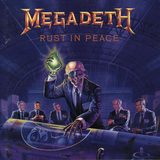
Megadeth • Rust In Peace
Released 24 September 1990 · 36 years old
Dave Mustaine and Marty Friedman form the guitar partnership at the centre of Rust in Peace. Their contrasting leads sit over precise, rapidly changing riffs, with Nick Menza and David Ellefson keeping the music forceful through its many turns. The detail remains audible even at its fastest.
“Holy Wars... The Punishment Due” shifts between sections with a clear dramatic purpose. “Hangar 18” builds its argument through an extended exchange of solos. Both show why the record rewards attention to its construction as well as its immediate energy.
How to track album anniversaries in your collection
Give the records on your shelf another spin. Plastic helps you organize your vinyl and CDs, sync your collection with Discogs, and discover album anniversaries and the stories behind them. Explore new releases and rediscover something you already own.
← More from the Plastic blog